WHO: Violence Against Women Remains a Persistent Global Crisis With No Progress in 20 Years
Tawazon – On the eve of the International Day for the Elimination of Violence Against Women, the World Health Organization (WHO) and UN partners warn that violence against women remains one of the world’s most persistent human rights crises, with little progress over the past two decades.
The report highlights that nearly 1 in 3 women globally, an estimated 840 million have experienced partner or sexual violence during their lifetime. In the last year alone, 316 million women aged 15 or older faced physical or sexual violence by an intimate partner. Progress on reducing intimate partner violence has been painfully slow with only 0.2% annual decline over the past two decades.
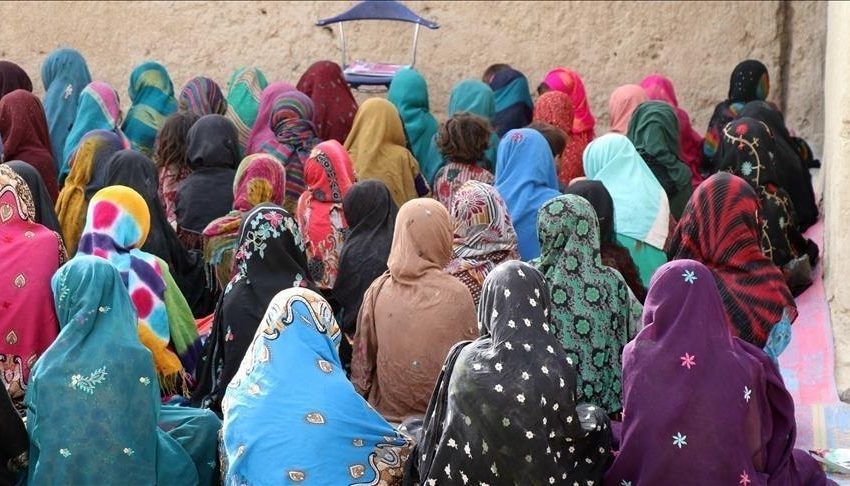
Meanwhile, in Afghanistan, women continue to face widespread gender-based violence and are deprived of basic rights including access to education. According to UN Women, nearly 35% of women aged 15 to 49 experienced physical or sexual violence from an intimate partner in the past year.
For the first time, the report also provides national and regional estimates of sexual violence by someone other than a partner. It finds that 263 million women have experienced non-partner sexual violence since age 15, a figure experts caution is significantly under-reported due to stigma and fear.
“Violence against women is one of humanity’s oldest and most pervasive injustices, yet still one of the least acted upon,” said Dr Tedros Adhanom Ghebreyesus, WHO Director-General. “No society can call itself fair, safe or healthy while half its population lives in fear. Ending this violence is not only a matter of policy; it is a matter of dignity, equality and human rights. Behind every statistic is a woman or girl whose life has been forever altered. Empowering women and girls is not optional, it’s a prerequisite for peace, development and health. A safer world for women is a better world for everyone.”
Dr Tedros also highlighted the personal imperative to act, stating: “As a father of a young woman and a grandfather of little girls, I dream of a world where all girls and women everywhere are safe. There is NO excuse for violence.” He joined the #16Days of Activism, urging global action to end violence in homes, communities, workplaces, and health systems.
The report, released ahead of the International Day for the Elimination of Violence Against Women and Girls on 25 November, underscores that women face lifelong risks from violence, including unintended pregnancies, higher risk of sexually transmitted infections, depression, and other physical and mental health challenges. Adolescents are particularly vulnerable, with 16% of girls aged 15-19 experiencing intimate partner violence in the past year.
According to WHO, Dr Sima Bahous, UN Women Executive Director, emphasized: “Ending violence against women and girls requires courage, commitment, and collective action.” Diene Keita, UNFPA Executive Director, added “The devastating cycle of abuse often ripples through families, communities and across generations. We must act urgently together to end this violence.”
Catherine Russell, UNICEF Executive Director, highlighted the importance of early intervention: “Many women first experience violence from a partner when they are adolescents. The key is to break this pattern of violence against women and girls.
The WHO report calls for urgent global action to scale up evidence-based prevention programs, strengthen survivor centered health, legal, and social services, invest in data systems to identify and support at-risk populations, enforce laws and policies empowering women and girls.