UNDP: 2.3 Million Returnees Strain Afghanistan’s Recovery
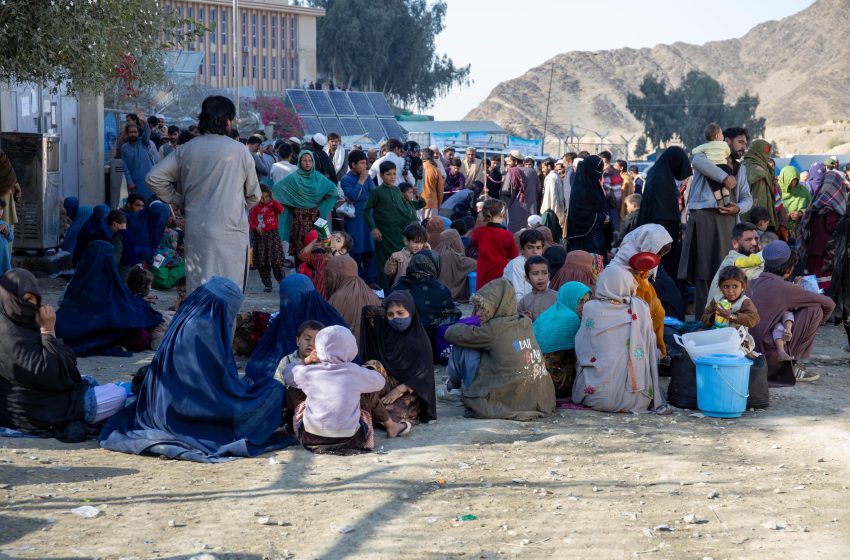
Tawazon — Afghanistan’s recovery is under growing strain as millions of returnees are forced to rebuild their lives in one of the world’s toughest economic and humanitarian environments, the United Nations Development Programme (UNDP) has warned in a new report.
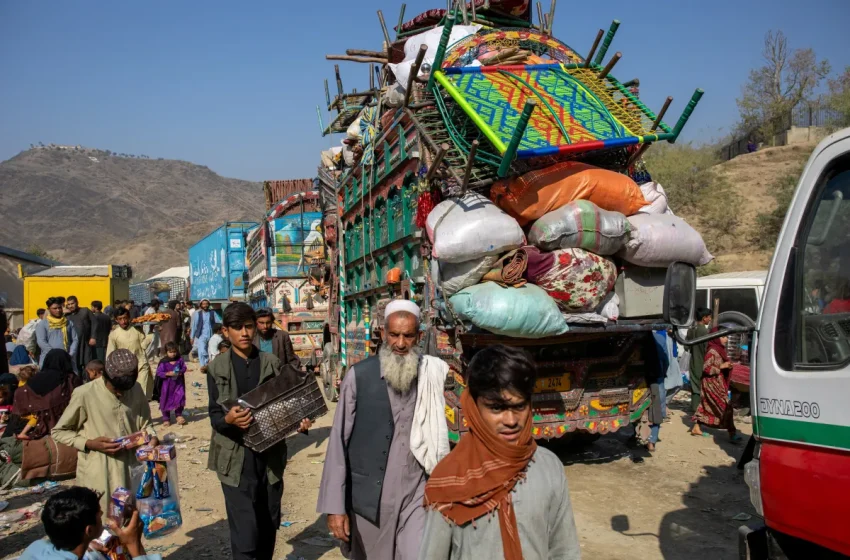
The report, “From Return to Rebuild For Afghan Returnees and Host Communities,” finds that Afghanistan’s “areas of return” are facing unprecedented pressure, as communities struggle to absorb millions of people returning amid economic collapse, climate disasters and recent earthquakes.
According to UNDP’s nationwide survey of nearly 49,000 Afghan households, including over 1,500 returnee families, nine out of ten households have resorted to negative coping strategies such asreducing meals, selling assets, and taking on loans just to survive. Debt is now widespread across the country, affecting 88 percent of returnee families and 81 percent of host communities.
Access to basic services including health care, clean water and education has sharply declined, particularly for women and girls in rural areas.
“Afghanistan’s returnee and host communities are under immense strain”, Kanni Wignaraja, UN Assistant Secretary-General and UNDP Regional Director for Asia and the Pacific said. “In some provinces one in four households depend on women as the main breadwinner, so when women are prevented from working, families, communities, the country lose out. I am especially alarmed by restrictions on women staff working on humanitarian and recovery operations.”
Wignaraja expressed alarm over the Taliban’s restrictions on women’s work in humanitarian and development sectors, warning that “cutting women out of the frontline teams means cutting off vital services for those who need them most, including returnees and victims of natural disasters”.
The report notes that devastating earthquakes in Nangarhar, Kunar, and Samangan, along with floods and drought, have destroyed homes and infrastructure, deepening the vulnerabilities of both returnees and host communities.
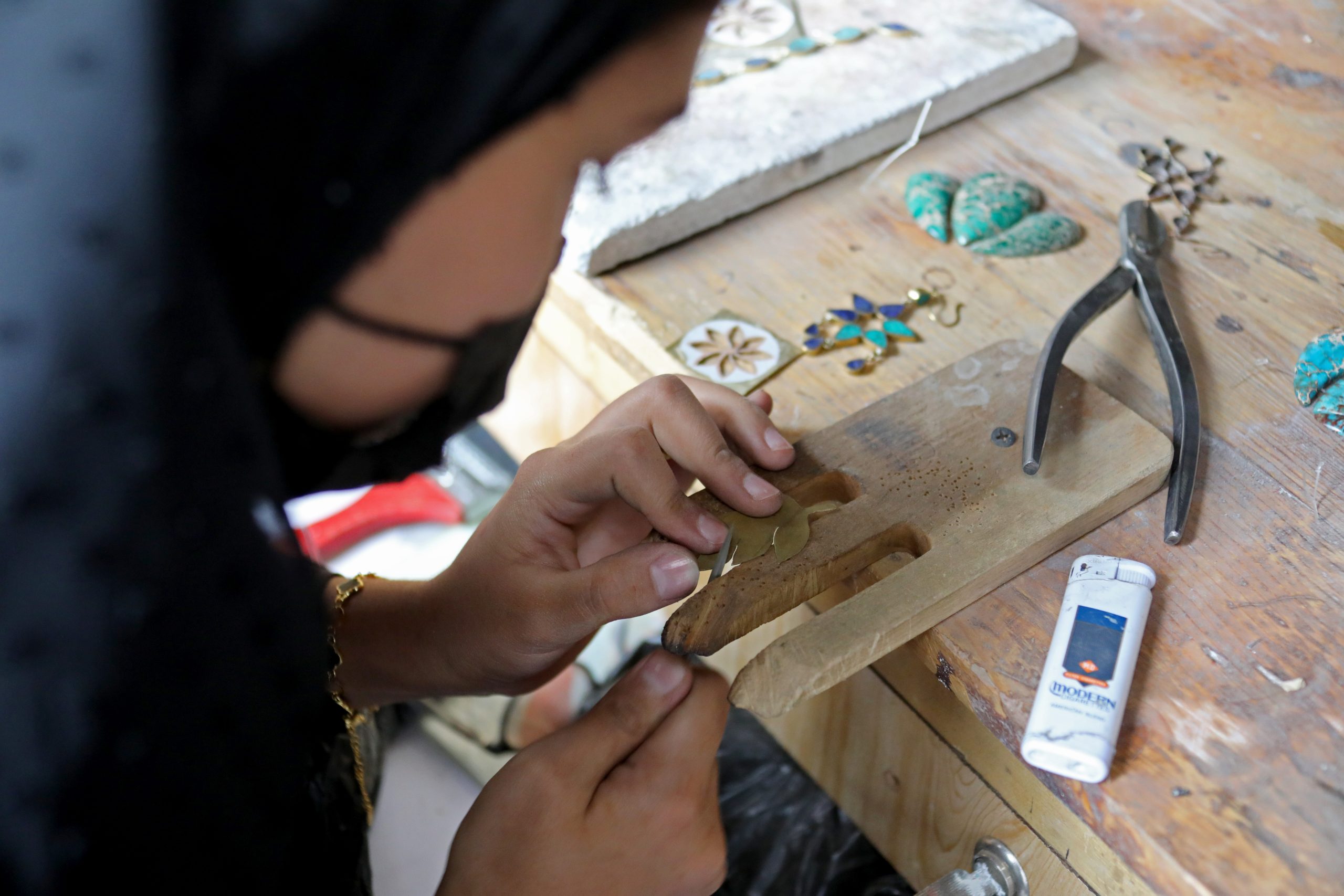
Despite the immense challenges, UNDP and partners are implementing area-based recovery programmes across eastern, northern, and central Afghanistan to improve access to energy, health care, clean water, and livelihoods.
“Area-based recovery works,” added Stephen Rodriques, UNDP Resident Representative in Afghanistan. “By linking income opportunities, basic services, housing, and social cohesion, it is possible to ease pressure on high-return districts and reduce the risk of secondary displacement.”
UNDP urged the international community to invest in Afghanistan’s return areas and lift restrictions on women’s participation to ensure sustainable recovery and long-term development.