IOM: Earthquake in Northern Afghanistan Leaves Over 500 Families Homeless
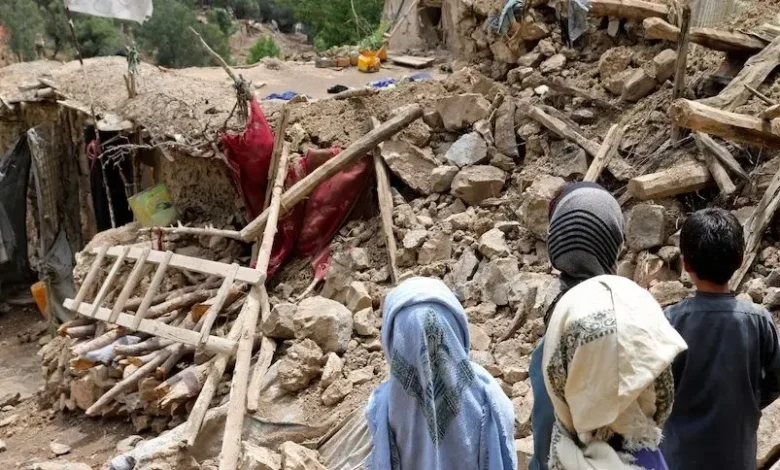
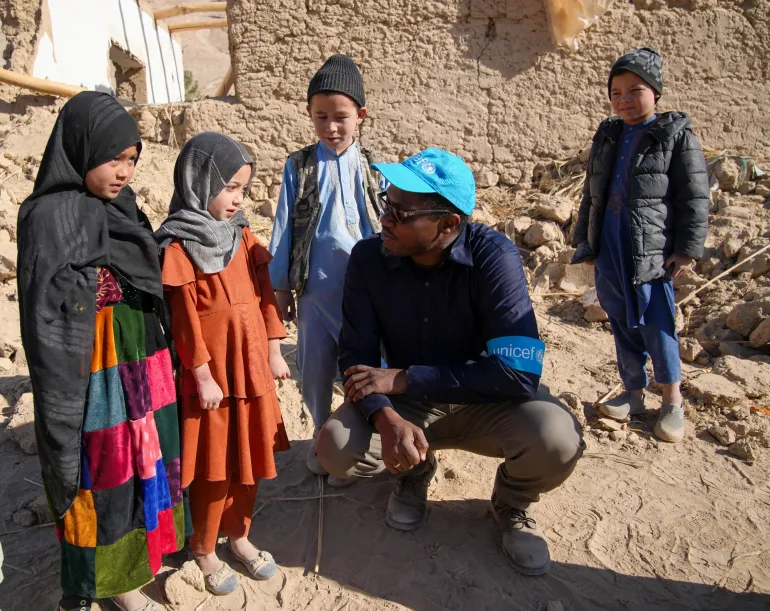
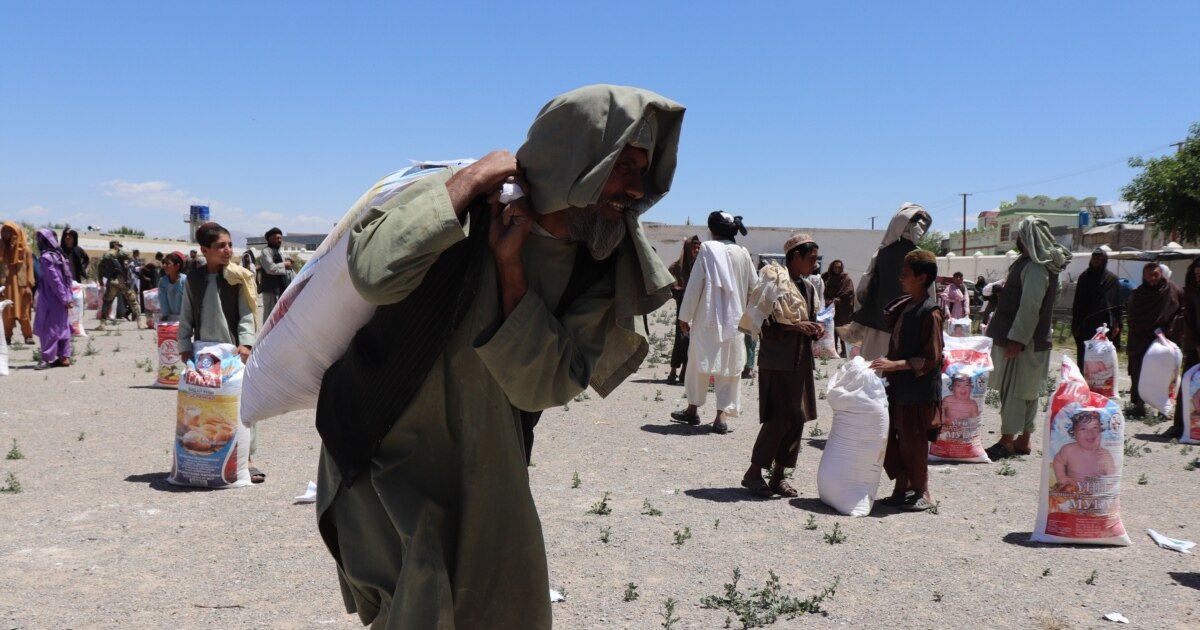
Tawazon – The International Organization for Migration (IOM) has reported that hundreds of families in northern Afghanistan’s Balkh and Samangan provinces have been affected by a powerful earthquake and are in urgent need of assistance.
IOM warned that the earthquake comes at a time when Afghanistan is already facing multiple crises. Since the beginning of 2025, more than 2.2 million Afghans have returned from Iran and Pakistan, many of whom lack safe shelter ahead of the winter. The organization’s “Afghanistan Climate Vulnerability Assessment” indicates that the affected areas were already home to over 220,000 people, including 9,000 internally displaced persons and 16,000 returnees living in highly vulnerable conditions.
“62% of homes were completely destroyed, 38% suffered severe damage, and more than 276 homes were destroyed in Khulm District alone leaving families without shelter as winter approaches,” said IOM.
According to IOM, the UN Office for the Coordination of Humanitarian Affairs (OCHA) conducted an aerial assessment on the day of the earthquake, focusing on districts near the epicenter, including Firoznakhchir, Khulm, and Hazrat Sultan in Samangan and Balkh. Initial findings were cautiously optimistic, but ground assessments by local authorities and partner organizations are ongoing to verify the situation.
A five-truck convoy carrying non-food items and emergency tents has been sent from Kabul to Mazar-i-Sharif to support 500 affected families. IOM has the capacity to assist up to 5,000 families but faces limited suppleis due to reduced funding. Coordination with other agencies is ongoing to provide food, clothing, hygiene kits, kitchen supplies, and cash assistance.
On 3 November 2025 at 00:59 local time, a magnitude 6.3 earthquake struck northern Afghanistan near the Balkh–Samangan border at a depth of 28km. The tremor was widely felt across multiple provinces of the country.
Initial reports from the National Disaster Management Information System (NDMIS) indicate that 512 families in five provinces were affected, with the worst impact in Balkh and Samangan. 21 fatalities and 819 injuries have been recorded to date, with more than 512 houses reportedly destroyed including over 276 homes in Khulm District, Samangan Province. A mountain landslide in the Tangi Tashqurghan valley temporarily blocked the Balkh–Kabul highway; the road has since been cleared and reopened.