UN Warns of Disease Outbreak in Quake-Hit Kunar Province

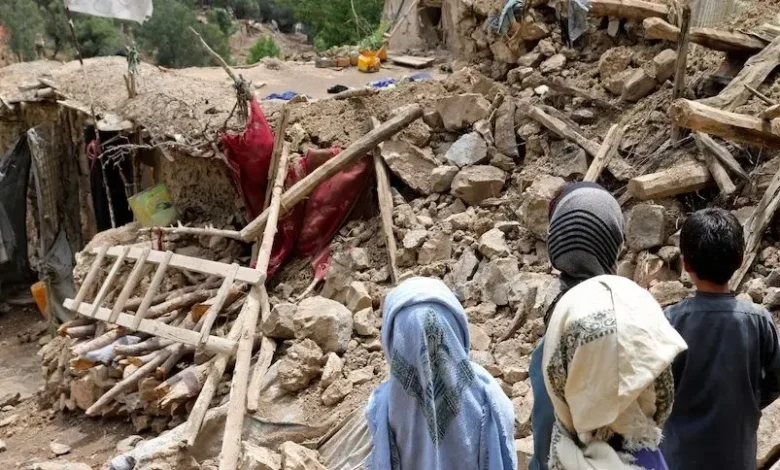
Kabul– The Taliban-controlled Red Crescent Society announced yesterday that search and rescue operations in earthquake-hit areas of Kunar province have concluded, and survey work is now underway to determine the exact number of casualties and the scale of destruction.
So far, official figures confirm that more than 3,000 people lost their lives, over 5,000 were injured, and more than 7,000 homes were destroyed in the devastating earthquake.
With rescue operations over, displaced families in the affected areas continue to face severe challenges. Survivors told reporters they are still in urgent need of shelter, food, health services, and sanitation facilities.
The United Nations has expressed concern about the risk of disease outbreaks in the quake-hit zones. Shannon O’Hara, head of strategy at the UN Office for the Coordination of Humanitarian Affairs (OCHA), told journalists in New York via an online briefing from Nangarhar that 92 percent of quake-affected people are defecating in the open, using fields and streams as toilets, without access to clean water or sanitation facilities.
O’Hara warned of potential outbreaks of diarrhea and other epidemics, especially among children, due to contaminated water and unhygienic food. OCHA’s initial assessment estimates that 40,000 people have been affected by the disaster and more than 5,000 homes destroyed.
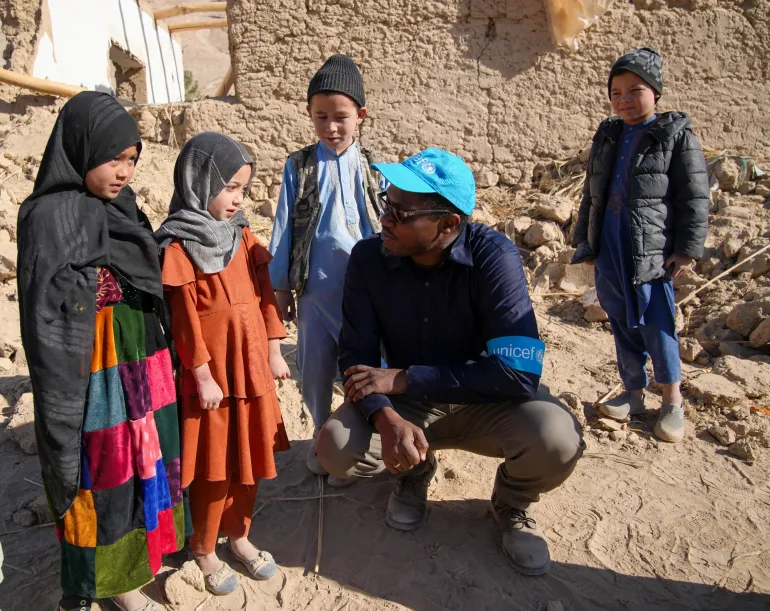
“During my visit to Kunar, I met families who told me their lives were destroyed within seconds. The quake wiped out their homes, farms, and livelihoods, leaving them with nothing,” O’Hara said. She also highlighted the particular hardships faced by women, girls, children, and persons with disabilities. “In recent years, Afghan women and children have been pushed to the margins of society. In quake-hit areas, they are among the most affected, bearing the heaviest burden,” she added.
The UN Population Fund (UNFPA) estimates that at least 11,600 pregnant women have been severely impacted by the disaster, in a country that already has one of the world’s highest maternal and child mortality rates.
According to O’Hara, UN agencies are trying to include women in health teams responding to the crisis, though this effort faces significant obstacles. Families are currently living in tents or even under the open sky, exposed to rain and sun, without clean water or sanitation.
So far, OCHA reports that it has distributed ready-to-eat food, tents, blankets, and hygiene kits to 43,000 people. However, O’Hara warned that unless urgent steps are taken, “earthquake survivors in Kunar may not survive the coming winter. In the weeks ahead, preventable disease outbreaks and further displacement could push mortality rates even higher.”
OCHA has already allocated $10 million for life-saving supplies and is finalizing an emergency response plan. On Monday, a 35-ton shipment of medical supplies arrived at Kabul International Airport and was handed over to the World Health Organization’s emergency response team.